Understanding the Basics of Crowdfunded Community Gardens
Defining Crowdfunding in the Context of Community Gardens
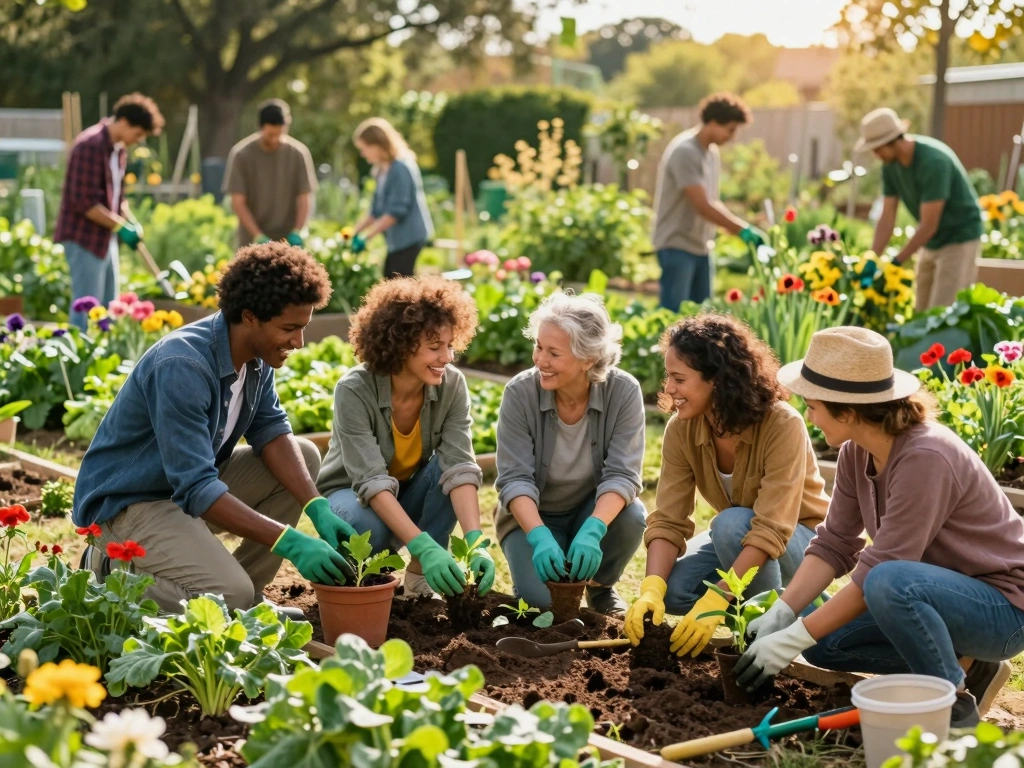
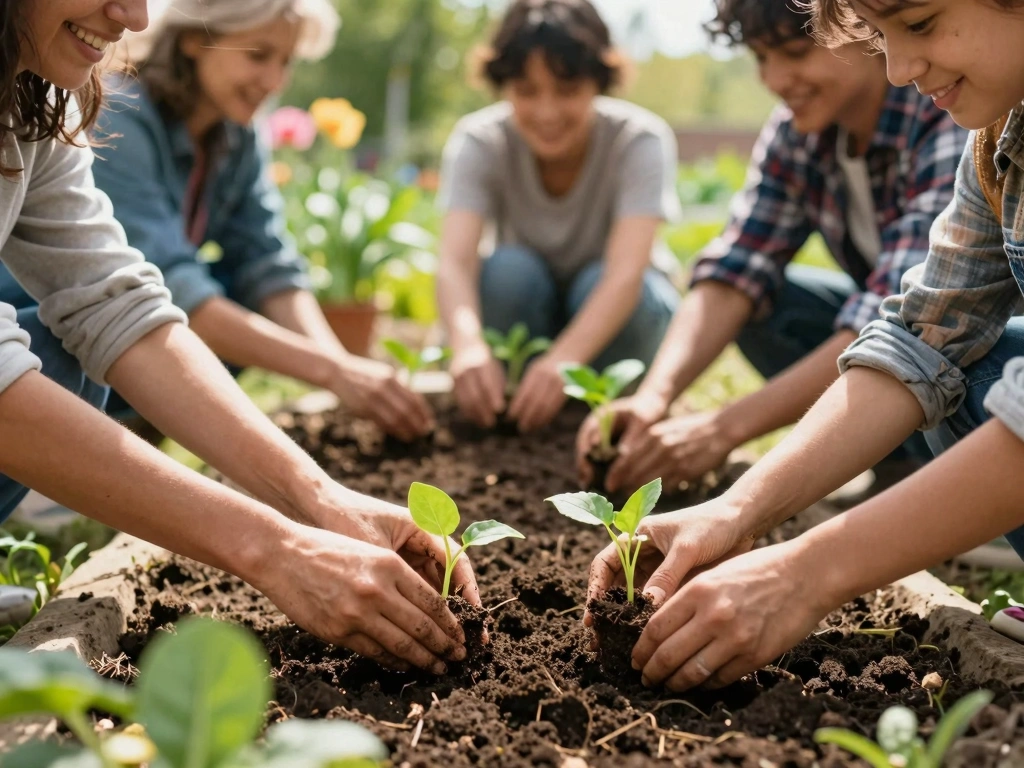
Crowdfunding is a method of raising capital through the collective efforts of a large number of individuals, typically via online platforms. In the context of community gardens, crowdfunding enables local residents to pool financial resources to create or sustain a garden that serves their community. This approach not only democratizes funding but also fosters a sense of ownership and responsibility among community members.
Key Benefits of Community Gardens for Local Communities
- Food Security: Community gardens can provide fresh produce, increasing access to healthy food, particularly in urban areas where grocery stores may be sparse.
- Community Building: These gardens serve as social hubs where neighbors can meet, collaborate, and build relationships, enhancing community cohesion.
- Environmental Impact: Community gardens contribute to urban greening, promote biodiversity, and improve air quality.
- Educational Opportunities: They provide a venue for workshops and programs focused on gardening, nutrition, and sustainability, thus educating community members of all ages.
Identifying the Essential Resources Needed for a Successful Initiative
Launching a crowdfunded community garden requires several essential resources:
- Land: Securing a suitable plot of land is crucial. This may involve negotiating use agreements with local authorities or private landowners.
- Funding: A clear financial plan is necessary to cover initial setup and ongoing maintenance costs.
- Tools and Supplies: Basic gardening tools, seeds, soil amendments, and other supplies are essential for establishing a thriving garden.
- Human Resources: Volunteers who are passionate about gardening and community service are invaluable for maintaining the garden.
Building a Strong Community Network
Engaging Local Residents and Stakeholders
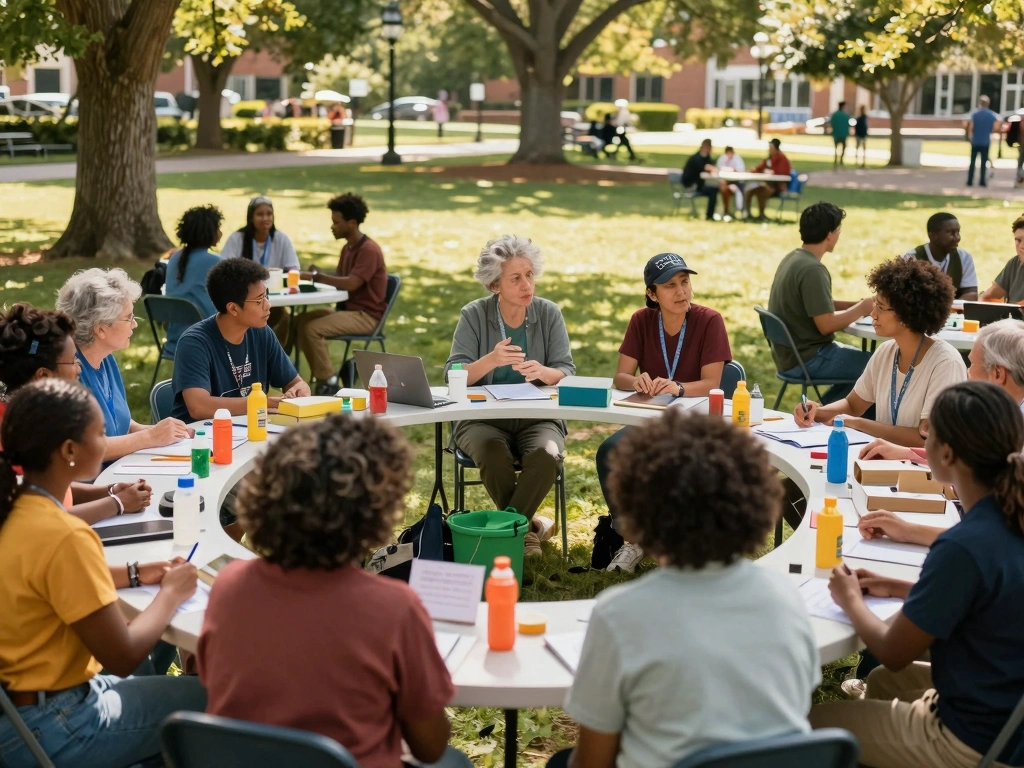
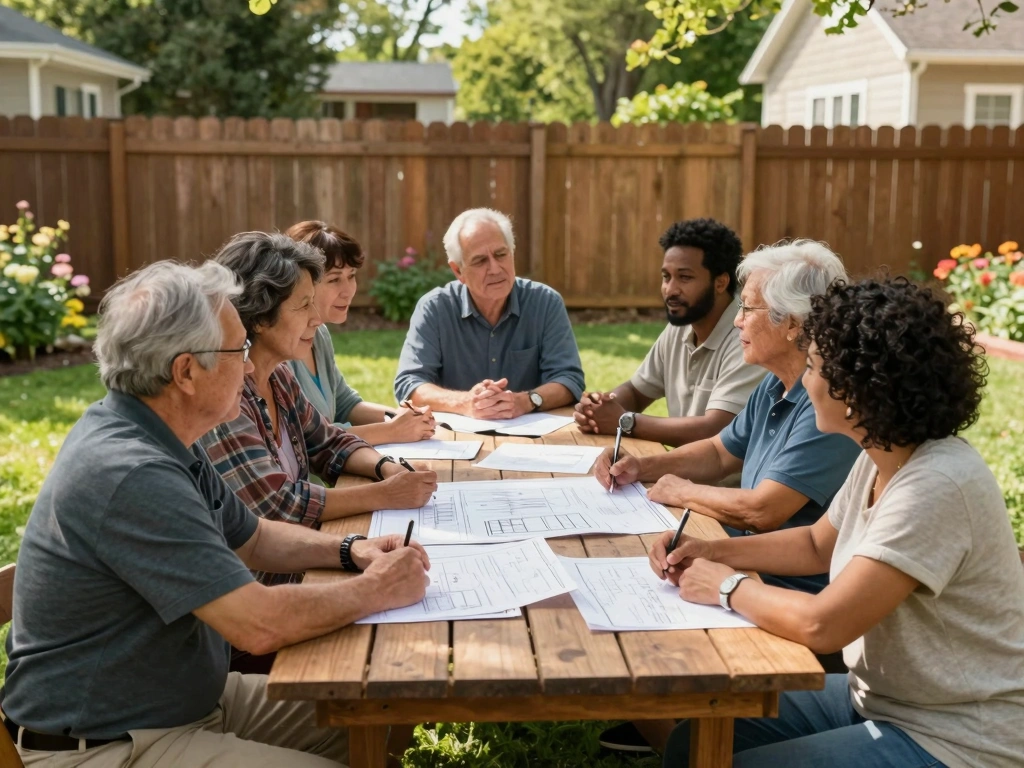
Engaging local residents is the first step in building a successful community garden. It is important to host initial meetings where community members can express their interest and ideas. Using surveys and polls can help gauge the community's needs and preferences. For instance, a community in Portland, Oregon, organized a series of potluck dinners to foster relationships and gather input, ultimately leading to a well-supported garden initiative.
Forming Partnerships with Local Businesses and Organizations
Establishing partnerships with local businesses and organizations can greatly enhance the success of a community garden. Local nurseries can provide discounts on plants and supplies, while restaurants may be interested in sourcing fresh ingredients from the garden. In Chicago, the “Chicago Botanic Garden” partnered with local schools to engage students in gardening, which resulted in both educational benefits and community engagement.
Creating a Communication Strategy for Community Engagement
A robust communication strategy is essential for maintaining engagement with community members. This can include:
- Regular Newsletters: Monthly newsletters can provide updates on garden progress and upcoming events.
- Social Media Groups: Creating dedicated social media pages allows for real-time updates and fosters a sense of community.
- Community Meetings: Hosting regular meetings encourages open dialogue and can help resolve any issues that may arise.
Effective Fundraising Strategies for Community Gardens
Choosing the Right Crowdfunding Platform
Selecting the right crowdfunding platform is critical for the success of fundraising efforts. Platforms like “GoFundMe,” “Indiegogo,” and “Kickstarter” provide various features that can cater to different project needs. For instance, “GoFundMe” is particularly user-friendly for community-based projects and allows for ongoing fundraising, making it ideal for community gardens that require continuous support.
Crafting a Compelling Campaign Narrative
A compelling narrative is vital in attracting donors. The campaign should clearly articulate the garden's vision, impact, and specific needs. Including personal stories from community members about how the garden will positively affect their lives can resonate well with potential backers. For example, a campaign in San Francisco highlighted a single mother’s struggle to provide healthy food for her children, successfully appealing to donors’ emotions.
Utilizing Social Media to Boost Fundraising Efforts
Social media is an invaluable tool for amplifying fundraising campaigns. By sharing updates, engaging visuals, and behind-the-scenes content, community gardens can capture the interest of a broader audience. Platforms like Instagram and Facebook are particularly effective for showcasing progress visually. In a notable campaign, a community garden in New York utilized Instagram stories to share weekly progress updates, significantly boosting their visibility and donations.
Designing and Planning the Community Garden Layout
Incorporating Sustainability and Biodiversity in Garden Design
When designing a community garden, incorporating sustainable practices is paramount. This may include:
- Native Plant Selection: Using native plants can enhance biodiversity and reduce water usage.
- Composting: Establishing a composting system helps reduce waste and enriches the soil.
- Rainwater Harvesting: Installing rain barrels can help in conserving water for irrigation needs.
For example, a community garden in Seattle successfully integrated a rain garden, which not only managed stormwater effectively but also became an educational feature for visitors.
Planning for Accessibility and Inclusivity in Garden Spaces
Designing a garden that is accessible and inclusive is essential in ensuring that all community members can participate. This can involve:
- Raised Garden Beds: These can be beneficial for elderly individuals or those with mobility issues.
- Wide Pathways: Ensuring pathways are wide enough for wheelchairs and strollers is critical.
- Interactive Spaces: Including areas for children and families encourages diverse participation and interaction.
Establishing Maintenance and Growth Plans for the Garden
A successful garden requires ongoing maintenance and growth planning. Establishing a schedule for planting, watering, weeding, and harvesting is essential. Additionally, creating a volunteer roster can help distribute responsibilities evenly among community members. For instance, a community garden in Austin, Texas, implemented a “garden steward” system where different community members were assigned specific days to oversee garden tasks, ensuring consistent upkeep and involvement.
Measuring Success and Ensuring Longevity
Setting Goals and Metrics for Community Impact
To measure the success of a community garden, it is essential to establish clear, quantifiable goals. These may include:
- Amount of produce harvested annually.
- Number of community members participating.
- Workshops held and attendance rates.
These metrics not only provide a benchmark for success but also help in justifying future funding requests.
Establishing Governance and Decision-Making Structures
Creating a governance structure is crucial for the long-term sustainability of a community garden. This can involve forming a garden committee responsible for decision-making and conflict resolution. A successful model demonstrated by a community garden in Toronto involved rotating leadership positions to encourage participation and share responsibilities among members.
Adapting and Evolving the Garden Based on Community Feedback
Finally, it is important for community gardens to remain adaptable. Regularly soliciting feedback from community members can help identify areas for improvement. Conducting surveys or holding feedback sessions can provide insights into what works and what doesn’t. For example, a community garden in Boston implemented seasonal surveys, which led to changes in garden layout and plant selection based on participant preferences, significantly enhancing member satisfaction and engagement.